LAWN CARE PROGRAM
Signs Your Lawn Needs a Reset
Most lawns struggle with compaction, thatch buildup, shade + moisture, and uneven nutrition.
Not sure what you need?
Every lawn is different. We’ll assess your specific conditions and recommend the right approach.
Aeration
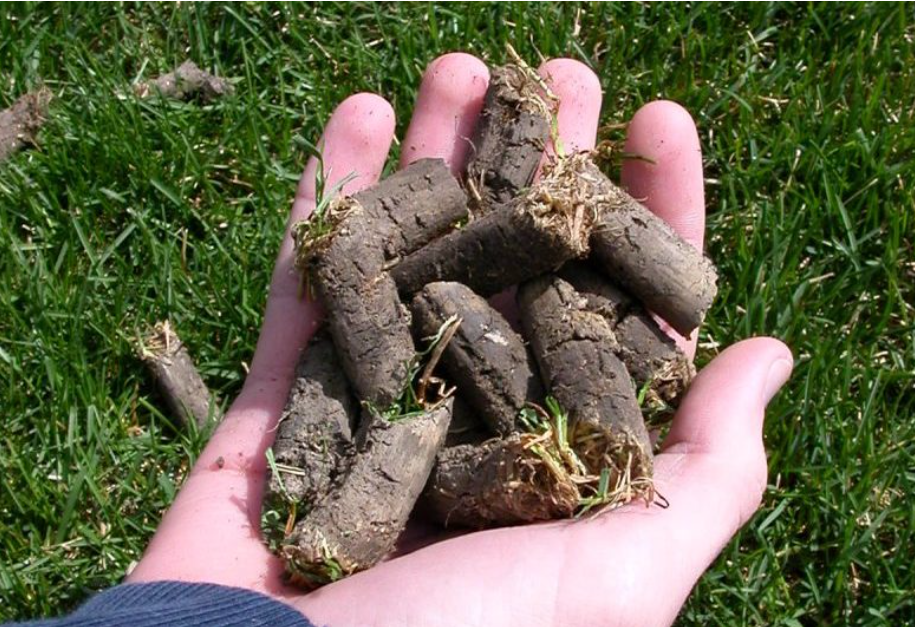
Core aeration removes small plugs of soil, allowing air, water, and nutrients to penetrate the root zone. This is the foundation of a healthy lawn recovery.
- Reduces soil compaction
- Improves water absorption
- Enhances root development
- Prepares lawn for overseeding
- Reduces thatch buildup over time
- Early fall (September–October) or early spring (March–April)
- Leave soil plugs on the lawn—they break down naturally within 2 weeks.
- Water lightly for the first week.
Dethatching / Power Rake
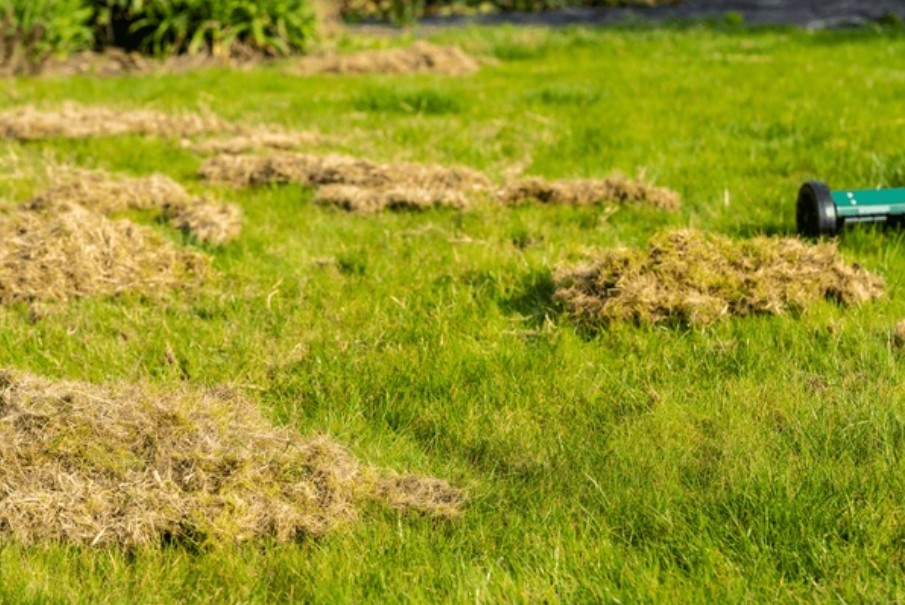
Power raking aggressively removes the thick layer of dead grass, roots, and debris that accumulates between the soil surface and green grass blades.
- Removes suffocating thatch layer
- Improves air circulation
- Allows water to reach roots
- Prepares surface for seeding
- Reduces pest and disease habitat
- Early fall or early spring when grass is actively growing
- Rake up debris after service.
- Water regularly and consider overseeding within 48 hours for best results.
Seeding
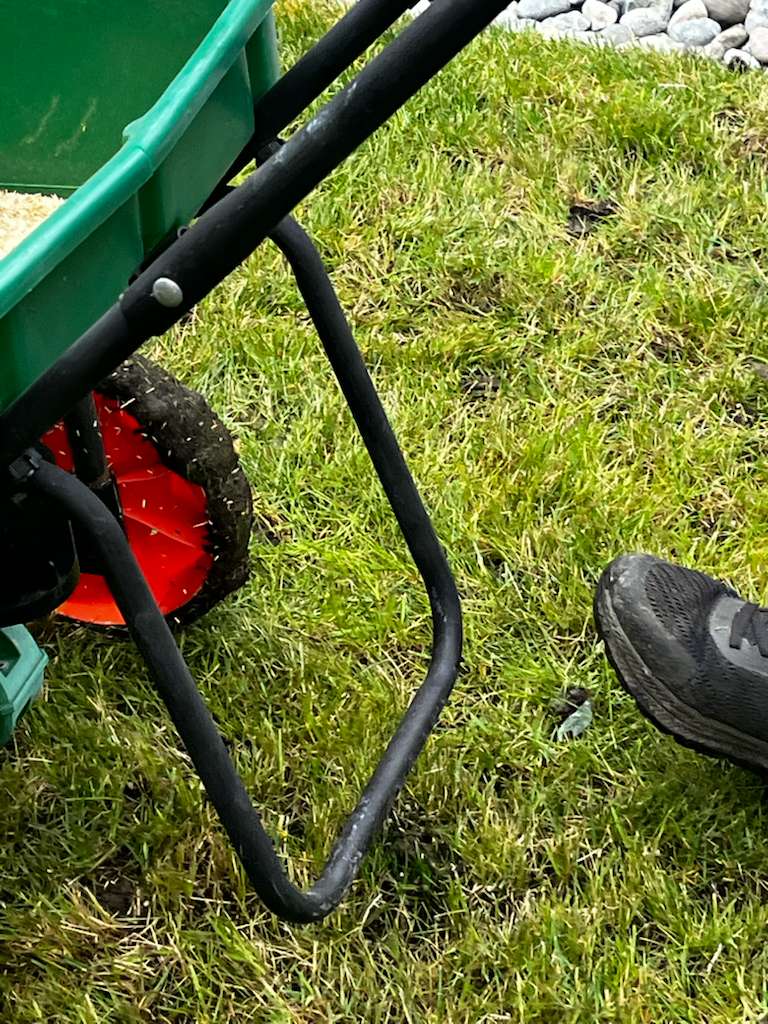
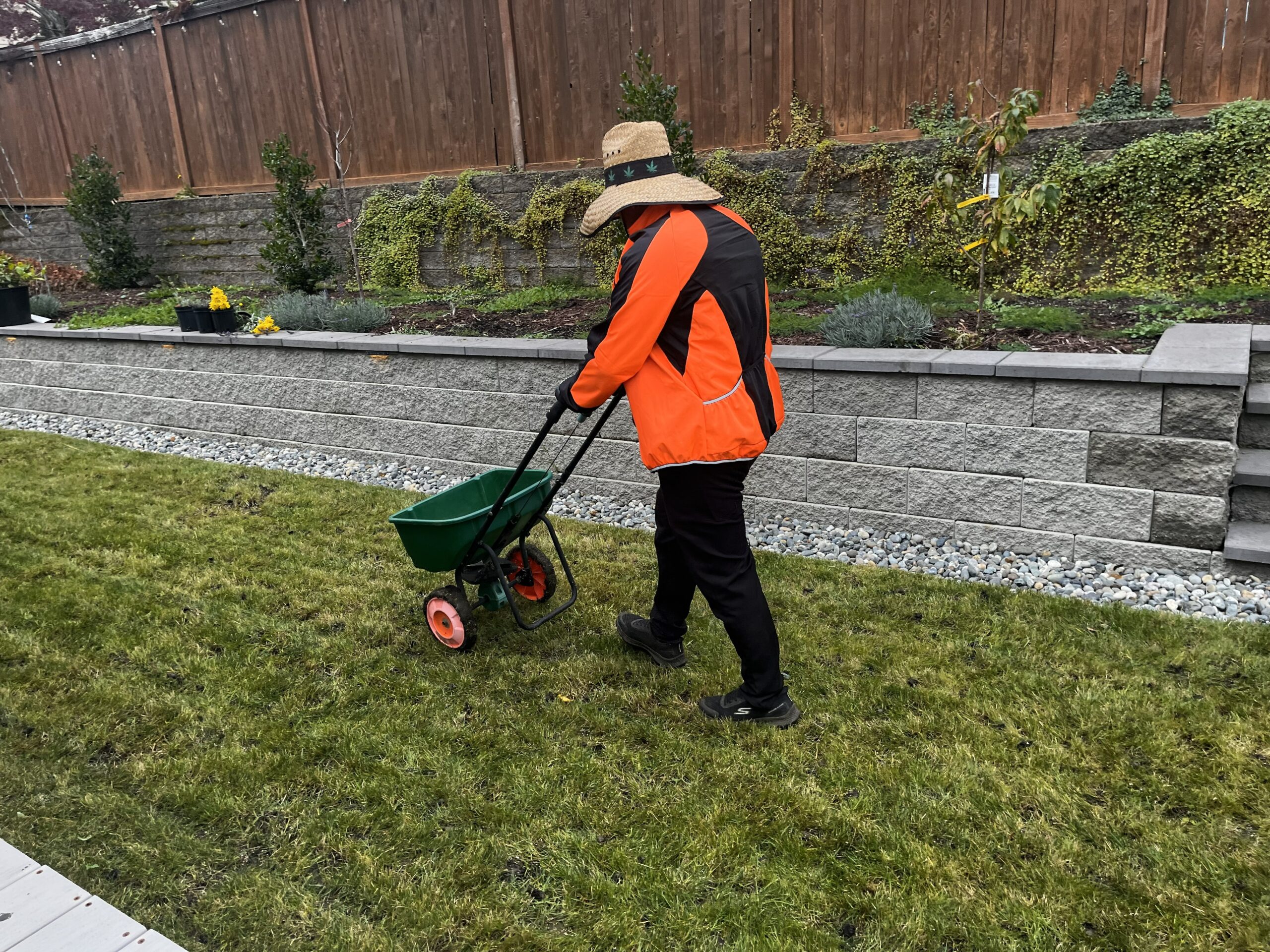
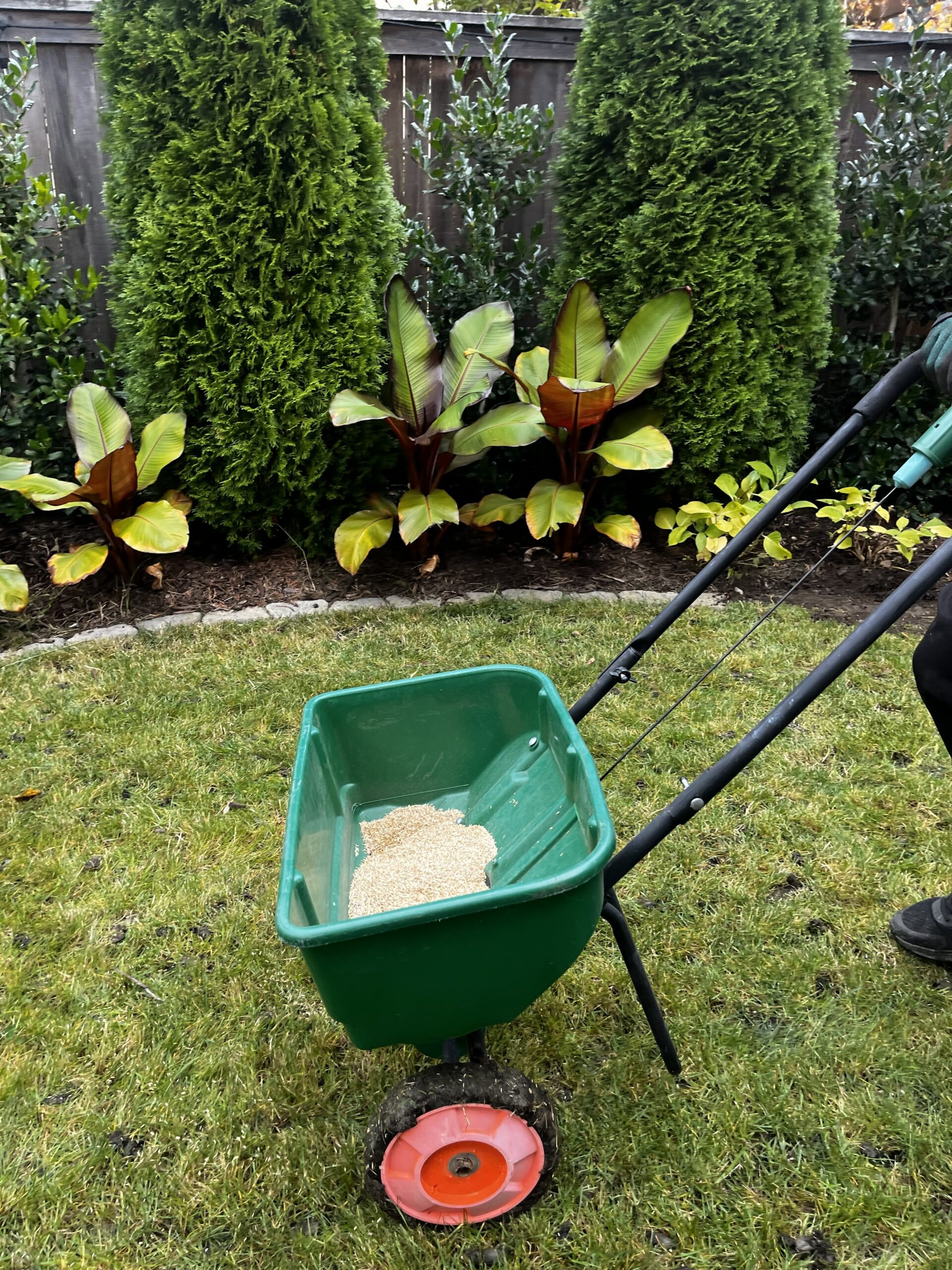
We spread premium grass seed suited to Pacific Northwest conditions directly into your existing lawn to thicken turf and fill bare spots.
- Fills in thin or bare areas
- Introduces disease-resistant varieties
- Improves overall lawn density
- Enhances color and texture
- Crowds out weeds naturally
- Fall (September–October) for best germination, or early spring
- Keep soil consistently moist for 2–3 weeks.
- Avoid heavy foot traffic until new grass is 3 inches tall.
Fertilizing
Balanced fertilizer applications provide essential nutrients (nitrogen, phosphorus, potassium) that your lawn needs to grow thick and green.
- Promotes healthy green color
- Strengthens root systems
- Improves stress tolerance
- Supports recovery after aeration
- Feeds beneficial soil microbes
- Early fall, late fall, and early spring applications recommended
- Water within 24 hours to activate.
- Keep pets and children off until fully dissolved (usually after first watering).
Moss Control
Moss killer application targets existing moss growth. Combined with cultural changes, this helps your grass outcompete moss long-term.
- Kills existing moss
- Prepares areas for reseeding
- Improves lawn appearance quickly
- Works on all moss types
- Safe for surrounding plants when applied correctly
- Late winter through early spring (February–April) before moss spreads
- Moss will turn brown/black within 2 weeks.
- Rake out dead moss and overseed bare areas.
Lime Application
Lime raises soil pH, which is often too acidic in the Pacific Northwest. Proper pH allows grass to absorb nutrients effectively.
- Corrects acidic soil
- Improves nutrient uptake
- Creates unfavorable conditions for moss
- Enhances fertilizer effectiveness
- Promotes healthier root growth
- Fall or early spring—takes 2–3 months to fully affect soil pH
- Water in lightly.
- Results are gradual; soil testing after 3 months recommended.
Lawn Care Calendar
Timing matters. Here’s when to schedule each service for the best results.
- Moss Control
- First Lime Application
- Early Aeration (if needed)
- First Fertilizer Application
- Spot Seeding
- Core Aeration
- Overseeding
- Fall Fertilizer
- Lime Application
- Winterizer Fertilizer
Weather Windows: Pacific Northwest weather can be unpredictable. We monitor conditions and schedule services during optimal windows—typically when soil is moist but not saturated, and temperatures are moderate.
Watering: Most services require consistent watering afterward. We’ll provide specific instructions for your service, but plan for regular light watering for 2–3 weeks post-service.
Pricing (Starting At)
Base pricing for lawns up to 2,000 sq/ft. Larger properties and special conditions may require a custom estimate.
Service Areas
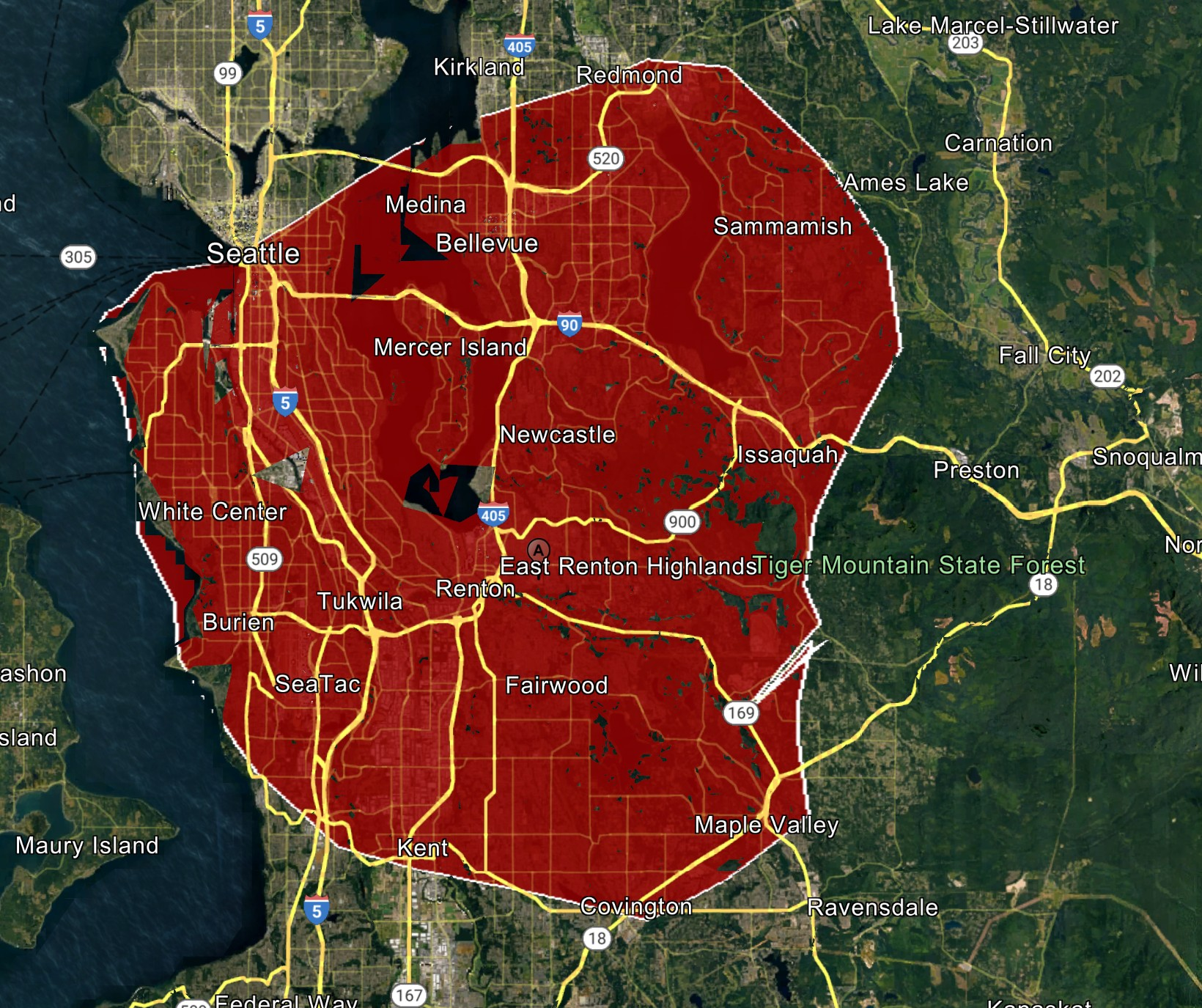
We proudly serve the greater Seattle metropolitan area. Zoom and pan the map to explore our coverage.
Areas We Serve
Frequently Asked Questions
When is the best time to aerate my lawn?
The ideal times are early fall (September–October) and early spring (March–April) when grass is actively growing and can recover quickly. Fall is generally preferred in the Pacific Northwest because of consistent moisture and moderate temperatures.
How often should I dethatch?
thatch is more than ½ inch thick, it's time. We can assess this during a consultation.
Can I walk on my lawn after seeding?
We recommend minimizing foot traffic for 3–4 weeks after overseeding. New grass seedlings are fragile and need time to establish roots before handling regular use.
Is the fertilizer safe for pets?
Our standard fertilizer should be watered in and allowed to dry before pets return to the lawn (usually 24–48 hours). We also offer an organic fertilizer option for an additional fee if you prefer.
How long does it take for moss killer to work?
You'll see moss turning brown or black within 1–2 weeks. Dead moss should be raked out before overseeding. The treatment doesn't prevent moss from returning—addressing underlying conditions (shade, drainage, soil pH) is key.
Do you provide ongoing maintenance programs?
Our Lawn Care Program focuses on seasonal restoration services. For ongoing mowing and maintenance, we can recommend trusted local partners or discuss adding you to our seasonal service schedule.
What if my property has special conditions?
Properties over 10,000 sq/ft or with slopes, septic tanks, wet areas, or limited access (less than 45" clearance) require a custom estimate. Contact us and we'll schedule an assessment.We’ll review your site and recommend the safest approach. Some conditions may require custom pricing.
*Before Service: Please mark any sprinkler heads, oil tank caps, or shallow utility lines prior to our service. We are not responsible for damage to unmarked items.
Please identify any areas sensitive to heavy machinery such as new concrete or asphalt so they may be avoided. Due to the nature of the work, dirt and/or mud may be present after service. We will do our best to thoroughly clean up but this may not always be possible due to certain conditions.
*Please clear the lawn of any debris and animal waste before our arrival.
*Fertilized areas should be avoided until fully dissolved. We do offer an organic fertilizer option for an extra fee.
*Overseeding Disclaimer: We cannot guarantee that your overseeding service will be successful. There are numerous factors involved in the process of planting and growing grass. We will take every precaution to ensure that we perform the work properly to maximize success.